Can EMDR Help Manage Anxiety and Panic Symptoms?
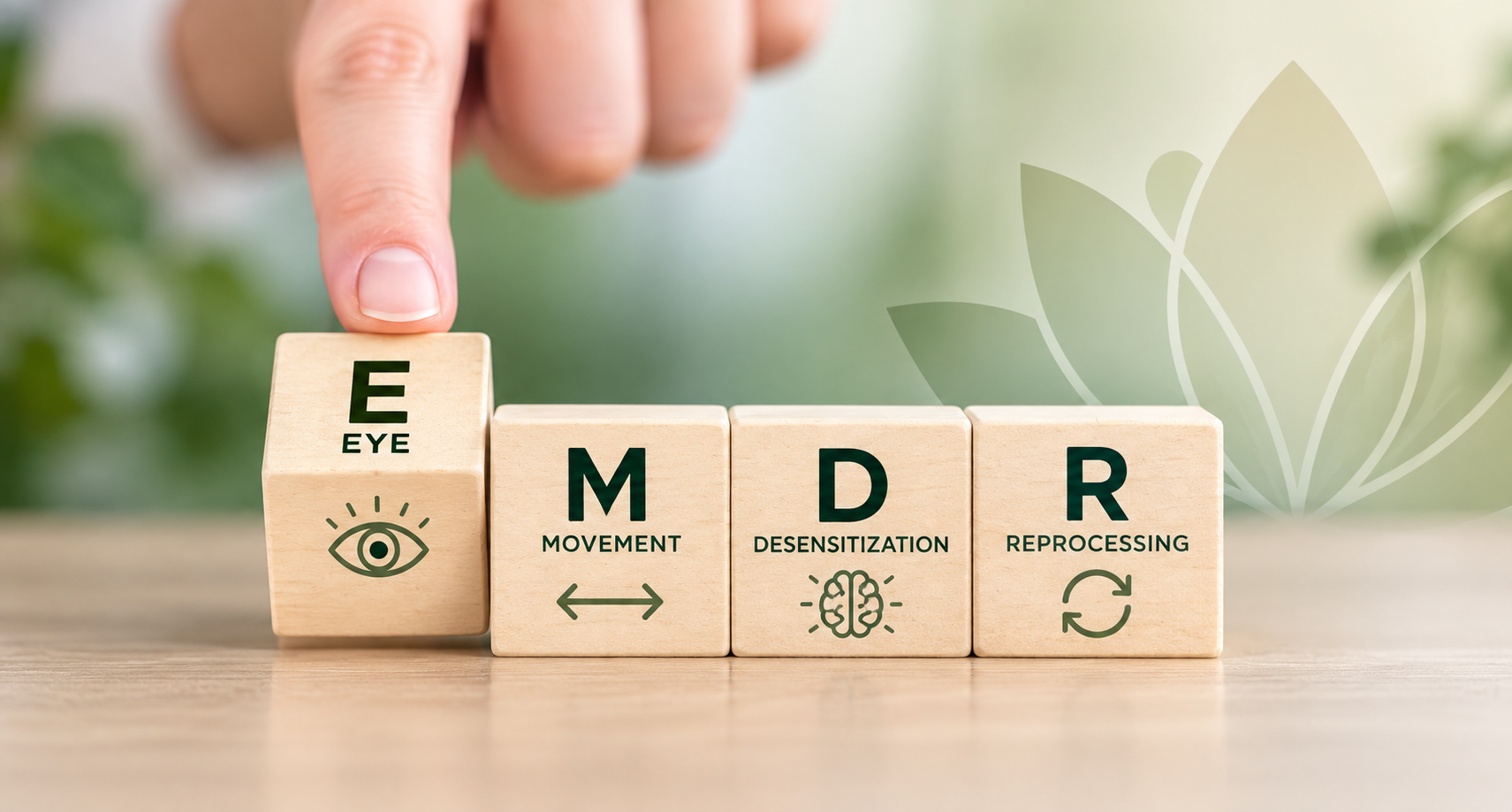
EMDR can help with anxiety and panic attacks for some people, particularly when symptoms are connected to distressing memories or past experiences. Anxiety and panic attacks involve intense fear, worry, or physical symptoms that can feel overwhelming and difficult to control. Eye Movement Desensitization and Reprocessing (EMDR) is a therapy best known for treating trauma and PTSD, but researchers have also studied its use for anxiety and panic-related symptoms. EMDR is not automatically the right fit for everyone, and suitability depends on individual history and clinical assessment. This article explains how EMDR works, what it may offer for anxiety and panic, and what the evidence currently shows.
Table of Contents
- What Is EMDR Therapy?
- How Can EMDR Help With Anxiety?
- Can EMDR Help With Panic Attacks?
- What Does the Research Say?
- EMDR vs Other Treatments
- What Happens During EMDR for Anxiety or Panic?
- Is EMDR Safe for Anxiety or Panic Attacks?
- When Should You Seek Professional Help?
- Could EMDR Be Right for You?
- FAQ
What Is EMDR Therapy?
EMDR is a structured psychotherapy that uses bilateral stimulation, such as guided eye movements, alternating sounds, or tapping, while a person briefly focuses on a distressing memory or belief. This process is thought to help the brain reprocess memories that feel stuck or unresolved.
EMDR is delivered through a set of defined phases, including history-taking, preparation, target selection, processing, and evaluation. It involves far more than eye movements alone. Treatment is tailored to the individual, based on their symptoms, history, and treatment goals. You can read a full breakdown of the process in our guide to what EMDR therapy is and how it works.
How Can EMDR Help With Anxiety?
Identifying experiences connected to anxiety
Anxiety sometimes has roots in past distressing experiences, even when a person does not immediately connect the two. EMDR may help process memories, beliefs, emotions, or triggers linked to ongoing distress.
Reducing the emotional impact of triggers
By processing specific targeted experiences, some people find that certain reminders or triggers become less emotionally intense over time, which may reduce day-to-day anxiety.
Addressing negative beliefs
EMDR treatment often works with unhelpful beliefs such as “I’m unsafe,” “I can’t cope,” or “I’m powerless.” Shifting these beliefs can be part of reducing the intensity of anxious thoughts and reactions. Our anxiety therapy services page outlines how this fits within a broader treatment approach.
Can EMDR Help With Panic Attacks?
A panic attack involves a sudden surge of intense fear along with physical symptoms such as a racing heart, shortness of breath, or dizziness, and cognitive symptoms like fear of losing control. Panic disorder refers to recurrent, unexpected panic attacks along with ongoing worry about future episodes.
Therapists using EMDR may explore experiences, memories, or triggers connected to panic symptoms, particularly if a person can identify a specific event or pattern linked to their symptoms. EMDR may be considered when panic is connected to distressing memories, but it is not presented as a guaranteed cure or the appropriate treatment for every case of panic.
What Does the Research Say About EMDR for Anxiety and Panic?
EMDR has the strongest evidence base for trauma-related conditions, including PTSD, where it is recognised by organisations such as the World Health Organization and the American Psychological Association. Research into EMDR for anxiety disorders and panic is more limited and mixed. Studies have examined EMDR for specific phobias, generalized anxiety, and panic-related symptoms, with findings varying by condition and study design.
Because the evidence base differs from trauma treatment, decisions about using EMDR for anxiety or panic should take into account the person’s diagnosis, symptom history, and other evidence-based options. Our complete guide to EMDR therapy for trauma and PTSD covers the areas where research support is strongest.
EMDR vs Other Treatments for Anxiety and Panic
No single treatment works best for everyone. The table below offers a neutral comparison of common approaches.
| Approach | What It May Involve |
| EMDR | Processing distressing memories, experiences, triggers, and associated beliefs |
| CBT | Working with thoughts, behaviours, avoidance, and anxiety patterns |
| Exposure-based therapy | Gradual, structured exposure to feared situations or sensations |
| Medication | Medicines prescribed to help manage anxiety or panic symptoms |
| Relaxation and grounding techniques | Strategies for managing physiological arousal and immediate distress |
A qualified clinician can help determine which approach, or combination of approaches, is most appropriate for your situation.
What Happens During EMDR for Anxiety or Panic?
EMDR treatment typically follows a series of steps:
- Initial assessment and treatment planning
- Identifying relevant memories, situations, triggers, or beliefs
- Learning stabilisation and grounding strategies where needed
- Selecting specific treatment targets
- Bilateral stimulation during the processing phase
- Reviewing changes in distress, beliefs, and symptoms
Treatment pace varies from person to person, and processing does not necessarily begin during the first appointment. Preparation is an important part of the process.
Is EMDR Safe for People With Anxiety or Panic Attacks?
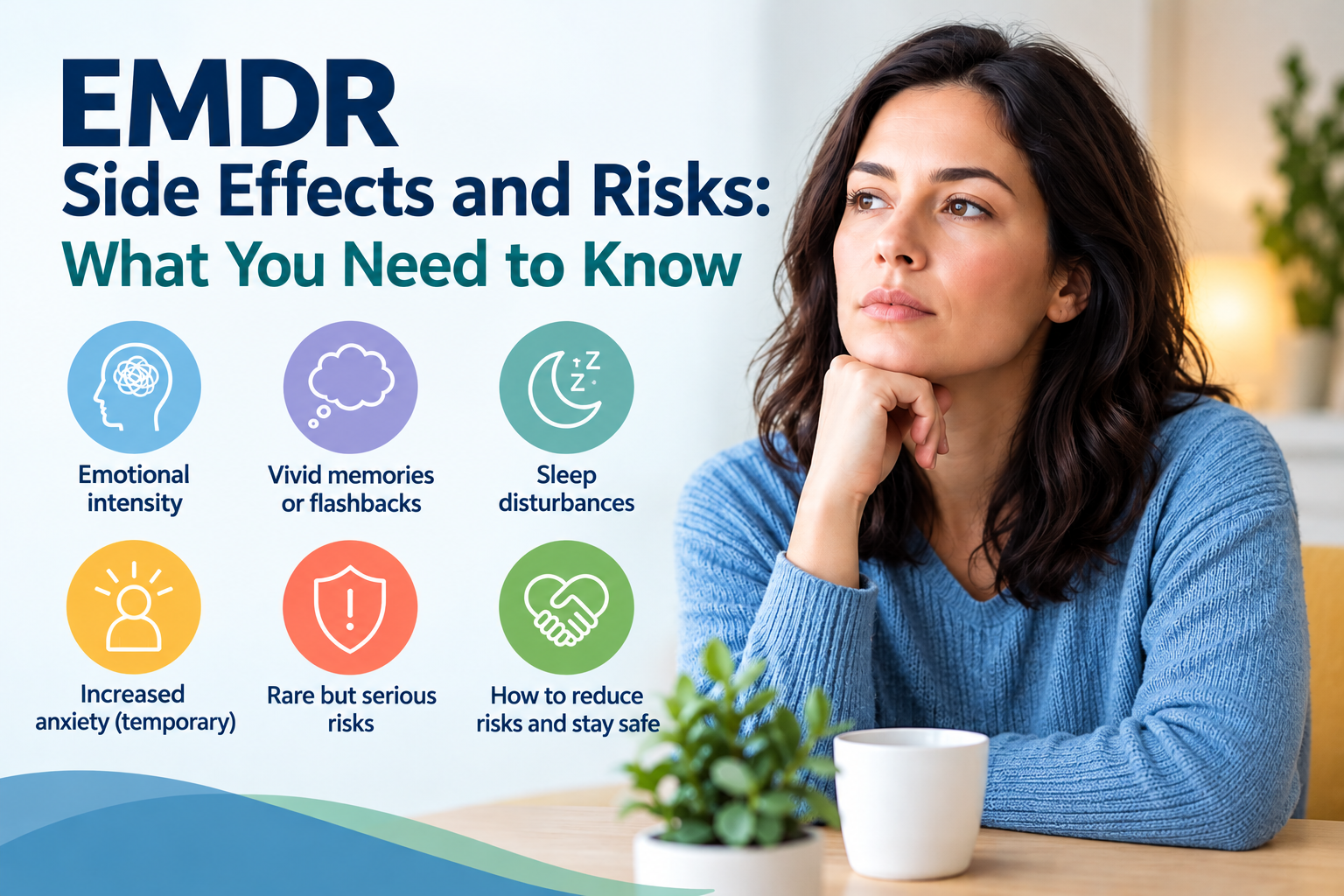
EMDR can bring up temporary emotional distress or increase awareness of difficult memories, particularly during the processing phase. Proper assessment and preparation help reduce this risk. It’s important to tell your therapist about severe panic symptoms, dissociation, current medications, ongoing stressors, or other mental health concerns before starting treatment. A qualified therapist should monitor your response throughout and adjust the pace or approach as needed.
When Should You Seek Professional Help for Panic or Anxiety?
Consider seeking professional support if you notice:
- Anxiety that interferes with work, relationships, sleep, or daily activities
- Recurrent or unexpected panic attacks
- Avoidance of places or situations for fear of another attack
- Symptoms that are becoming more frequent or harder to manage
If you experience new or unexplained physical symptoms, seek a medical assessment first, since some medical conditions can mimic panic symptoms. Our article on physical symptoms of anxiety you shouldn’t ignore covers this in more detail.
Could EMDR Be Right for You?
EMDR may play a useful role in treating some anxiety and panic-related difficulties, especially when distressing experiences or trauma are part of the picture. Whether it’s the right fit depends on your individual history, symptoms, and a proper clinical assessment. Speak with a qualified mental health professional to explore your options, or book an assessment with our team to discuss whether EMDR could be appropriate for you.
Frequently Asked Questions
Can EMDR help with anxiety?
EMDR may help with anxiety for some people, particularly when symptoms are connected to distressing memories, beliefs, or experiences. It is not automatically suitable for every case of anxiety, and a clinical assessment helps determine fit.
Can EMDR stop panic attacks?
EMDR is not a guaranteed cure for panic attacks. It may help when panic symptoms are linked to identifiable distressing experiences, but outcomes vary and should be discussed with a qualified therapist.
How many EMDR sessions are needed for anxiety?
The number of sessions varies depending on the person’s history, symptom severity, and treatment goals. Some people notice changes within several sessions, while others require a longer course of treatment.
Is EMDR better than CBT for anxiety?
Neither approach is universally better. CBT has a broader evidence base for many anxiety disorders, while EMDR may be considered when trauma or distressing memories are contributing factors. A clinician can help decide which approach suits your situation.
Can EMDR make anxiety worse at first?
Some people experience temporary emotional distress or increased awareness of difficult memories during processing. This is usually managed through proper preparation, pacing, and support from a trained therapist.
Can EMDR help with panic disorder?
EMDR may be considered as part of a treatment plan for panic disorder when symptoms are connected to distressing experiences, though research in this area is more limited than for trauma-related conditions.
What does an EMDR session for anxiety involve?
A session typically includes reviewing progress, identifying or refining treatment targets, and using bilateral stimulation to process a specific memory, trigger, or belief, followed by a review of any changes in distress or symptoms.
Sources and References Used
- World Health Organization, guidelines on management of conditions specifically related to stress
- American Psychological Association, clinical practice guideline for the treatment of PTSD
- EMDR International Association, published resources on EMDR therapy and applications
- Peer-reviewed literature on EMDR for anxiety disorders and panic symptoms (evidence base referenced generally, as findings vary by condition and study)