Choosing to begin therapy is a personal decision, and for many people, the hardest part is knowing where to start. You may be dealing with something that has been weighing on you for months, trying to navigate a major life change, or simply feeling that you could benefit from having someone impartial to talk to. Whatever has brought you here, finding the right therapist and understanding what to expect can make the process feel much less overwhelming.
This guide is designed to give you a clear starting point. It introduces the therapy and counseling services available through Inner Peace Therapies in Lombard, IL, explains the concerns and challenges our therapists can help with, and provides an overview of our approach to treatment. You’ll also be able to learn more about our therapists, their areas of expertise, and the different types of support available, whether you prefer in-person sessions or online therapy. Our clients come from Lombard as well as communities throughout DuPage County and across Illinois.
Introduction: Who Is Inner Peace Therapies?
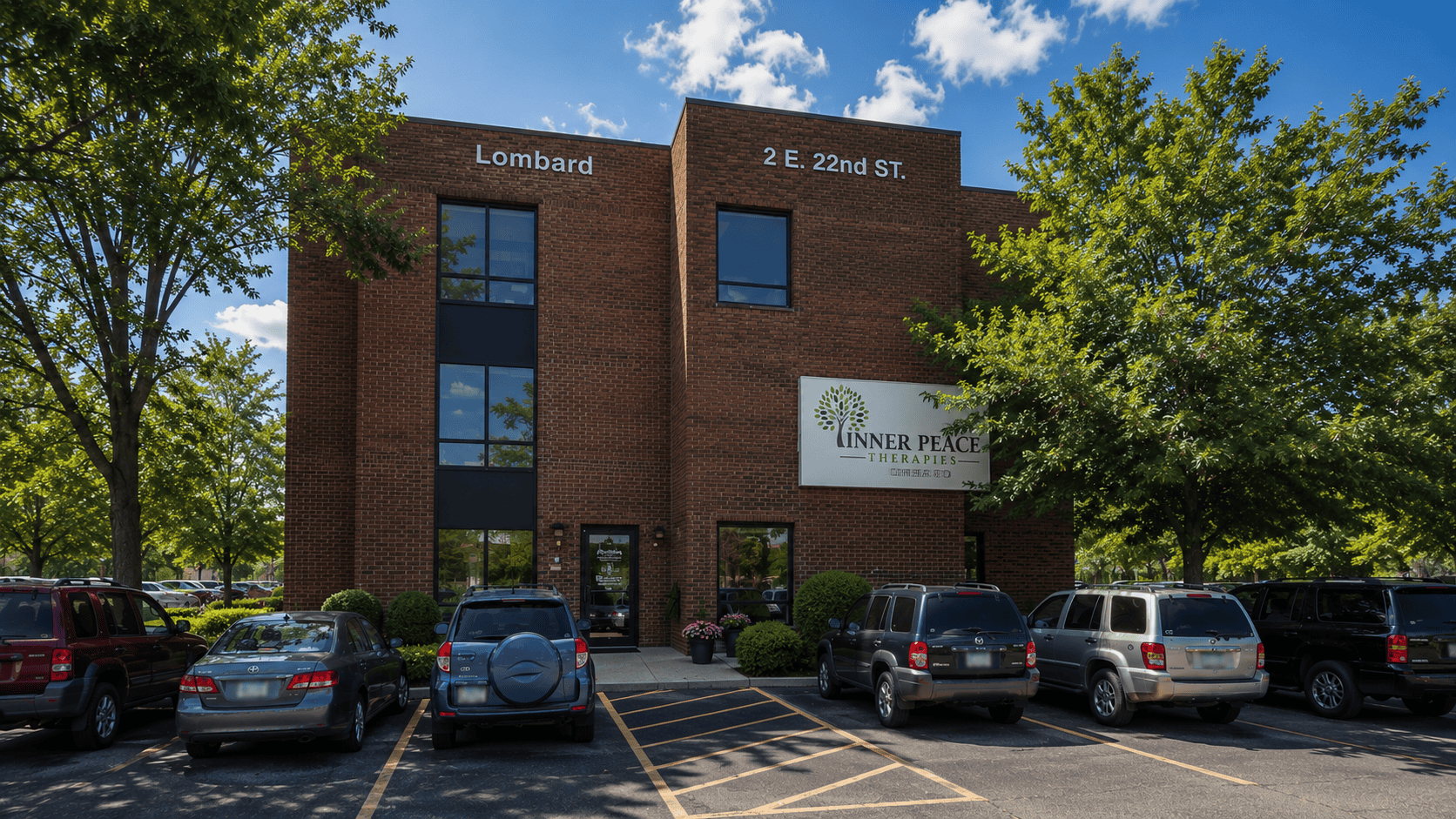
Inner Peace Therapies is a Lombard, Illinois-based counseling service founded by Madiha Haroon, LMFT, LCPC, CADC, offering individual, couples, family, adolescent, and group psychotherapy to clients throughout Lombard, DuPage County, and the greater Chicagoland area. Our office is located at 2 E 22nd Street, Suite 205, Lombard, IL 60148, and we offer both in-person and online (telehealth) appointments, so support is available whether you would rather sit in our office or connect from home, wherever in Illinois you happen to be.
At the center of everything we do is a simple belief: choosing therapy is not easy, but it is one of the most empowering choices you can make. No one is immune to the stressors of life: a hard week at work, a marriage that feels stuck, a teenager who has pulled away, a loss that has not stopped hurting months later. Even small changes, made consistently, can lead to enormous benefits. Our job, as a dedicated counseling service in Lombard, is to provide a safe, nurturing, non-judgmental space where that change can begin.
Madiha Haroon founded Inner Peace Therapies with over 25 years of clinical experience, and that founding vision, warm, collaborative, evidence-based care tailored to each client, still shapes how every therapist on our team approaches their work today.
Our Approach to Therapy
We do not believe in one-size-fits-all treatment. Through a collaborative, strength-based environment, we help clients explore their emotional needs, understand the roots of their struggles, and uncover their own potential, rather than simply applying a band-aid to symptoms. Our clinicians draw from a range of evidence-based modalities, including:
- Emotionally Focused Therapy (EFT), for individuals, couples, and families
- Eye Movement Desensitization and Reprocessing (EMDR), for trauma and PTSD
- Cognitive Behavioral Therapy (CBT) and Dialectical Behavioral Therapy (DBT)
- Internal Family Systems (IFS)
- Mindfulness-based approaches
- Solution-Focused and Strength-Based Therapy
As a full-service therapist in Lombard, our clinicians specialize in individual, couples, adolescent, and family counseling, and we strive to provide a warm, caring environment in a safe, private, and comfortable space, no matter who you are or where you are in your journey. We also bring a culturally responsive lens to our work, including specialized, faith-informed care for Muslim individuals, couples, and families, a specialty that sets our Lombard counseling services apart from many other practices in the area.
If any of that resonates, the next step is understanding exactly which service and specialty fits your situation. Let’s walk through them.
Our Therapy & Counseling Services in Lombard
Inner Peace Therapies offers six core counseling services, delivered right here in Lombard and available to clients across Illinois through telehealth. Each service is delivered by therapists trained in the specific dynamics of that population or relationship, because the way you support a teenager is not the way you support a couple, and the way you support a couple is not the way you support an entire family system. Below is a detailed breakdown of each of our Lombard therapy services.
1. Individual Counseling Services

What is Individual Counseling?
Individual Counseling is the foundation of our practice and often the first step people take when they decide, “I need someone to talk to.” Individual therapy provides a safe environment to explore your thoughts, emotions, behaviors, and relationships with a trained clinician who has no personal stake in the outcome, which is exactly what makes it so effective. Talking through a problem out loud, with someone trained to notice patterns you might not see yourself, raises your awareness of what is actually driving your distress, which in turn opens up options you did not know you had.
One thing we want every client to hear clearly: therapy is judgment-free. There is nothing wrong with you for seeking counseling. Life is hard, and wanting support, whether for the first time or the fifth, does not mean you are “crazy” or broken. It means you are taking your own well-being seriously.
At Inner Peace Therapies, we have extensive experience providing individual therapy for:
|
Common Concerns |
Common Concerns (cont.) |
|
Anxiety |
Medical Conditions |
|
Depression |
Self-Esteem |
|
Trauma (adult, childhood, and relationship trauma) |
Addictions |
|
Coping With Uncertainty |
ADHD |
|
Anger |
Work/Life Balance |
|
Chronic Pain |
Stress Management |
|
Grief and Loss |
Relationship Issues |
|
Life or Family Transitions |
Through collaborative work, you will master techniques to manage patterns of anxiety, depression, self-criticism, and other unhealthy thought cycles, gaining practical, emotional tools to build confidence, self-worth, and healthier relationships. Explore our related specialty pages on Anxiety Therapy, Depression, and Trauma to see how individual counseling connects to each condition. If you have noticed your worry has started to feel bigger than “just stress,” our blog post on signs your anxiety is more than just stress is a helpful next read.
2. Adolescent & Young Adult Counseling Services

What is Adolescent & Young Adult Counseling?
Being a teenager today is genuinely difficult. Adolescents are navigating school pressure, shifting friendships, social media, and the search for identity, all at once. According to the American Psychological Association, 42% of teens report stress but do not feel they have the tools to manage it effectively, and currently, 1 in 5 adolescents is struggling with a mental illness.
Our Adolescent & Young Adult Counseling service is built to meet teens exactly where they are, not where we think they should be. Rather than applying surface-level fixes, we work to identify the root cause of a teen’s struggle, whether that is depression, anxiety, substance use, family conflict, bullying, peer pressure, or academic stress.
We are not afraid to use unconventional means to connect authentically, listening to a teen’s music, watching the videos they are into, because building trust matters more than following a script. Therapy becomes a place not just to vent, but to build a real toolbox: managing emotions, communicating better, and adjusting to life’s ups and downs.
Parents are part of the process, too. We know that when teens struggle, parents struggle right alongside them. As a parenting consultant, your therapist can help you find ways to connect with your adolescent, balancing their need for structure with their need for nurture. Depending on the situation, your teen’s therapist might also recommend Family Counseling sessions to address boundaries, rebuild trust, and reduce ongoing conflict at home.
3. Couples Counseling Service
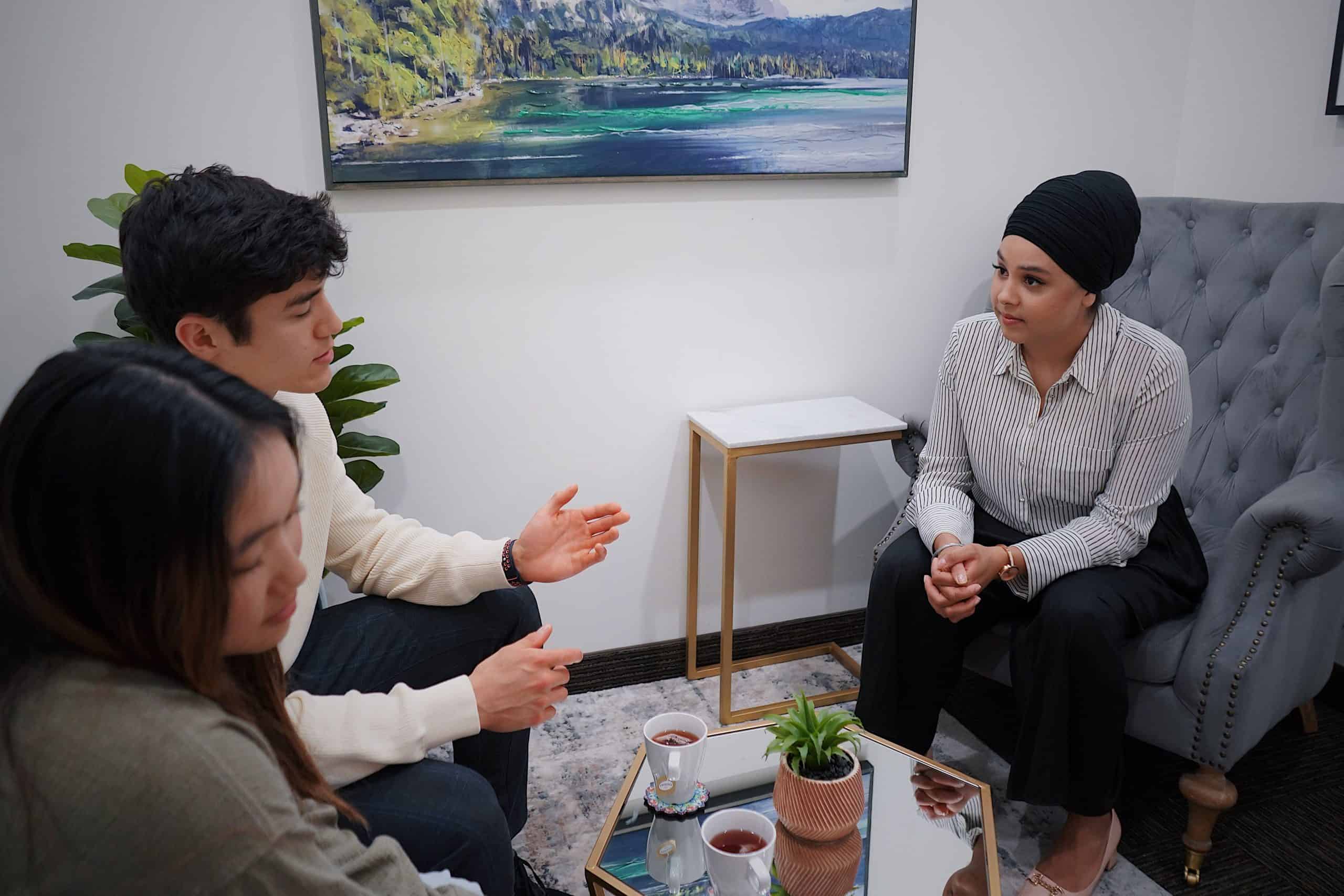
What is Couples Counseling?
Couples Counseling is one of the most sought-after forms of therapy, and also one of the most delayed. On average, couples wait six years for resentment to build before calling a therapist. By then, communication has often broken down into bickering, misunderstanding, and a cyclical, stuck feeling that neither partner knows how to escape.
At Inner Peace Therapies, your relationship becomes our client. We create a non-judgmental space where both partners feel understood, and we focus sessions on your specific goals, needs, and wants, equipping your relationship with tools that outlast the sessions themselves.
Couples counseling at Inner Peace Therapies can help you and your partner:
- Identify the ways you get stuck with each other
- Improve communication
- Resolve conflict effectively
- Strengthen emotional attachment
- Overcome relationship stressors and triggers
- Regain hope in the relationship
- Increase mutual understanding
- Build a stronger, more loving bond
Emotionally Focused Therapy (EFT) for Couples
One of our primary approaches to couples work is Emotionally Focused Therapy (EFT), an evidence-based model built on attachment theory. EFT recognizes that couples get trapped in negative cycles that block deep connection, and that the attachment bond between partners is the true foundation of a strong relationship. Through EFT, couples learn to turn toward each other to heal old wounds instead of away from each other in defense.
Benefits of EFT include:
- A deeper understanding of your and your partner’s underlying needs
- Learning to discuss problems without escalating
- Building empathy for each other’s experience
- Identifying the real cause of conflict without blame
- A more satisfying, resilient relationship over the long term
Couples therapy at Inner Peace Therapies may also help with depression, anxiety, addiction, family conflict, trauma, self-confidence, anger, chronic illness, infidelity, and infertility.
4. Premarital Counseling

What is Premarital Counseling?
Premarital Counseling helps couples prepare for the next big step, not the wedding day, but the marriage itself. Research shows couples who complete premarital counseling report higher marital satisfaction and have divorce rates roughly 30% lower than couples who skip it.
Premarital counseling at Inner Peace Therapies can help you:
- Build secure attachment as the foundation of lasting love
- Learn conflict resolution skills before conflict becomes chronic
- Strengthen communication to solve problems as a team
- Prevent resentment from quietly accumulating
- Navigate differences around money, in-laws, and other high-stakes topics
- Address any fears about marriage directly
- Set realistic, shared goals and expectations
- Understand the role of touch and physical connection in building affection
If you are already engaged or planning ahead, this is a natural pairing with our Couples Counseling service and with the EFT specialty page for a deeper look at the model many of our couples’ therapists use.
5. Family Counseling

What is Family Counseling?
Family Counseling, also known as family therapy, helps family members improve communication and resolve conflict as a system, not just as individuals. We begin by understanding your family’s unique dynamics, identifying the core issues, and setting collaborative goals, which may involve individual sessions with each family member as well as sessions together as a group.
One of the primary goals of family therapy is enhancing communication: helping every member of the household express thoughts and feelings constructively, in a safe and structured environment. Over time, this reduces misunderstandings, strengthens emotional bonds, and equips your family with practical tools to navigate future challenges, creating a healthier, more supportive home for everyone. This service pairs closely with our Adolescent & Young Adult Counseling, since teen struggles often ripple through the whole household.
6. Group Counseling

What is Group Counseling?
Group Counseling brings together a small group of people facing similar issues or concerns, under the guidance of a trained therapist. Groups offer a built-in support network of people who genuinely understand what you are going through, diverse perspectives and solutions from peers, a more affordable format than individual therapy, and a real-world setting to practice social and coping skills.
There are several types of group counseling, including:
- Support Groups: focused on emotional support and shared experience
- Psychoeducational Groups: designed to educate members and teach coping strategies
- Therapy Groups: deeper psychological work, led by a licensed therapist
- Self-Help Groups: peer-led, centered on mutual support
Group offerings at Inner Peace Therapies continue to expand. If you are interested in a current or upcoming group, reach out to our team directly to learn what is currently available.
Our Clinical Specialties
While our services describe who we see (individuals, couples, teens, families, groups), our specialties describe what we treat and how. Every clinician on our team draws on one or more of these specialties depending on your needs. Here is a full breakdown of all nine, offered as part of our broader counseling services in Lombard.
What is Anxiety?
Anxiety is a natural emotional response to situations that feel stressful, uncertain, or threatening. It can be helpful in small amounts, as it can prepare us to respond to challenges. However, when anxiety becomes persistent, overwhelming, or difficult to control, it can begin to affect everyday life, relationships, work, and overall wellbeing.
Anxiety can involve both emotional and physical symptoms, such as excessive worry, feeling restless or on edge, racing thoughts, difficulty concentrating, irritability, rapid heartbeat, tension, dizziness, or changes in sleep.
Here is a truth worth sitting with: everyone experiences anxiety. Natural worry is part of being human, and it can even be useful; fear of failing an exam might be exactly what motivates you to study.
According to the National Alliance on Mental Illness, anxiety disorders are the most common mental health concern in the United States. Over 40 million adults (19.1%) live with an anxiety disorder, and roughly 7% of children ages 3 to 17 experience anxiety issues each year, with most symptoms emerging before age 21. About 30% of the population will struggle with significant anxiety at some point in their lives.
If your anxiety is interfering with your relationships, making it hard to succeed at work or school, or affecting your physical health, it is time to talk to someone. We offer both teen anxiety therapy and adult anxiety therapy, matched to the specific type of anxiety and the age of the client. This specialty connects directly with our Individual Counseling service, and our blog covers this topic in depth in Signs Your Anxiety Is More Than “Just Stress”.
What is Anxiety Therapy?
Anxiety therapy is a form of psychological support designed to help people understand, manage, and reduce the impact of anxiety on their everyday lives. It can be helpful for people experiencing persistent worry, panic, fear, overthinking, physical symptoms, or anxiety that affects relationships, work, sleep, or daily activities.
During anxiety therapy at Inner Peace Therapies, our therapist provides a safe and non-judgmental space to explore the thoughts, emotions, experiences, and patterns that may contribute to anxiety. Therapy can also help you recognise unhelpful thinking patterns and develop healthier ways of responding to stressful or uncertain situations.
What is Depression?
Depression is a common mental health condition that can affect mood, thoughts, behaviour, relationships, and everyday life. It is more than simply feeling sad or having a difficult day. Depression can develop gradually or appear following a difficult experience, although sometimes there may be no obvious cause.
Depression affects people differently, and not everyone experiences the same symptoms. It can also occur alongside anxiety, grief, trauma, or other mental health difficulties.
Counselling and psychotherapy can provide a safe and supportive space to explore the underlying causes and impact of depression, understand unhelpful thought and behavioural patterns, and develop healthier coping strategies. Depending on the severity of symptoms, treatment may also involve support from a GP or other healthcare professional, including medication where appropriate.
Depression is often mistaken for ordinary sadness, but they are not the same thing. Sadness has an external cause (a breakup, a loss, a setback) and tends to fade with time. Depression is a mood disorder: persistent, pervasive, and often present even without an obvious external trigger.
According to the National Alliance on Mental Illness, more than 17 million U.S. adults, over 7% of the population, experience at least one major depressive episode per year, making it the most common psychiatric disorder worldwide. In the U.S., roughly one in six people will experience a bout of clinical depression in their lifetime, with initial onset most common in the teenage years and early adulthood.
Depression affects every part of a person: emotional well-being, motivation, relationships, work and school performance, and even physical health (showing up as pain or digestive issues). When symptoms like hopelessness, worthlessness, low energy, or frequent crying persist for more than a few weeks without improving, it is time to reach out.
Common symptoms can include persistent sadness or emptiness, loss of interest or enjoyment in activities, low motivation, tiredness, changes in sleep or appetite, difficulty concentrating, feelings of guilt or worthlessness, and withdrawing from others.
Our depression specialists custom-build treatment plans, blending therapy types and modalities to fit your specific experience, because depression is highly treatable with the right support.
What is Emotionally Focused Therapy (EFT)?
Emotionally Focused Therapy (EFT) is a therapeutic approach that focuses on understanding and working with emotions to create positive and lasting change. It is based on the idea that emotions provide important information about our needs, relationships, and experiences.
EFT can help individuals or couples recognise emotional patterns, understand what may be underlying difficult feelings, and develop healthier ways of responding to themselves and others. It is particularly well known as a couples therapy approach, where it can help partners understand patterns of conflict, improve emotional connection, and build a stronger sense of security within the relationship.
Emotionally Focused Therapy (EFT) is one of our signature clinical specialties, used across individual, couples, and family work. EFT is grounded in attachment theory: the idea that human beings are wired to seek secure emotional bonds, and that distress in relationships (and even within ourselves) often stems from disruptions to that bond.
In couples work specifically, EFT helps partners identify the negative cycles that keep them stuck, such as the pursue-withdraw pattern or the criticism-defensiveness loop, and replace them with new, more secure ways of turning toward each other. Rather than treating surface arguments (money, chores, in-laws) as the real problem, EFT gets underneath the argument to the attachment fear driving it: am I enough for you? Will you be there when I need you?
Several of our therapists are trained in EFT for individuals (EFIT) and couples (EFCT), and Inner Peace Therapies also provides EFT Supervision for other clinicians looking to deepen their own EFT skills. For more on the model itself, the International Centre for Excellence in Emotionally Focused Therapy offers additional detail.
What is Trauma and how it can be treated?
Trauma is defined as a deeply distressing or disturbing experience, and it is more common than most people realize. It is estimated that about half of all adults have experienced significant trauma in their lives, whether through emotional abuse or neglect, loss, negative beliefs imposed on them by others, divorce, moving, sexual assault, accidents, war, or natural disasters. Roughly 20% of adults go on to develop post-traumatic stress disorder (PTSD) as a result, a condition that affects people regardless of gender, ethnicity, religion, or socioeconomic status.
Trauma therapy at Inner Peace Therapies begins with the science of how the brain processes distressing events. Normally, the brain has a remarkable ability to process and integrate difficult experiences over time. But when an event is beyond our capacity to understand, or when trauma repeats, the brain’s normal processing gets stuck, triggering a fight, flight, or freeze response that keeps a person locked in the moment of the original event. This can manifest as nightmares, flashbacks, anger, sleep disruption, emotional numbing, and avoidance of trauma reminders.
We use trauma-informed care, prioritizing safety and trust before diving into deeper processing work. We integrate multiple modalities, including EMDR (below), to help clients not just survive their trauma, but genuinely recover from it, gaining insight into how it has shaped their relationships and sense of self along the way.
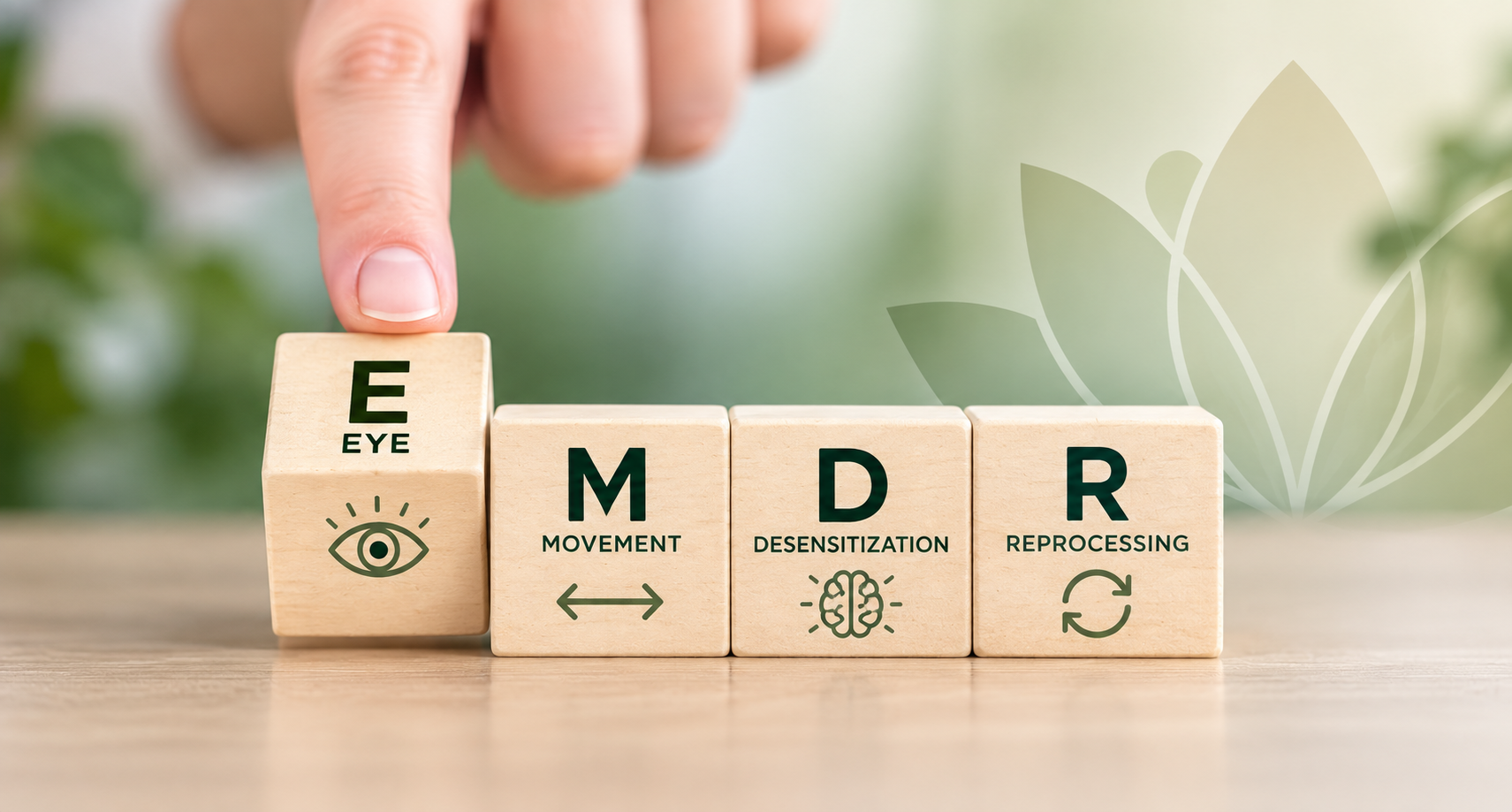
What is Eye Movement Desensitization and Reprocessing (EMDR)?
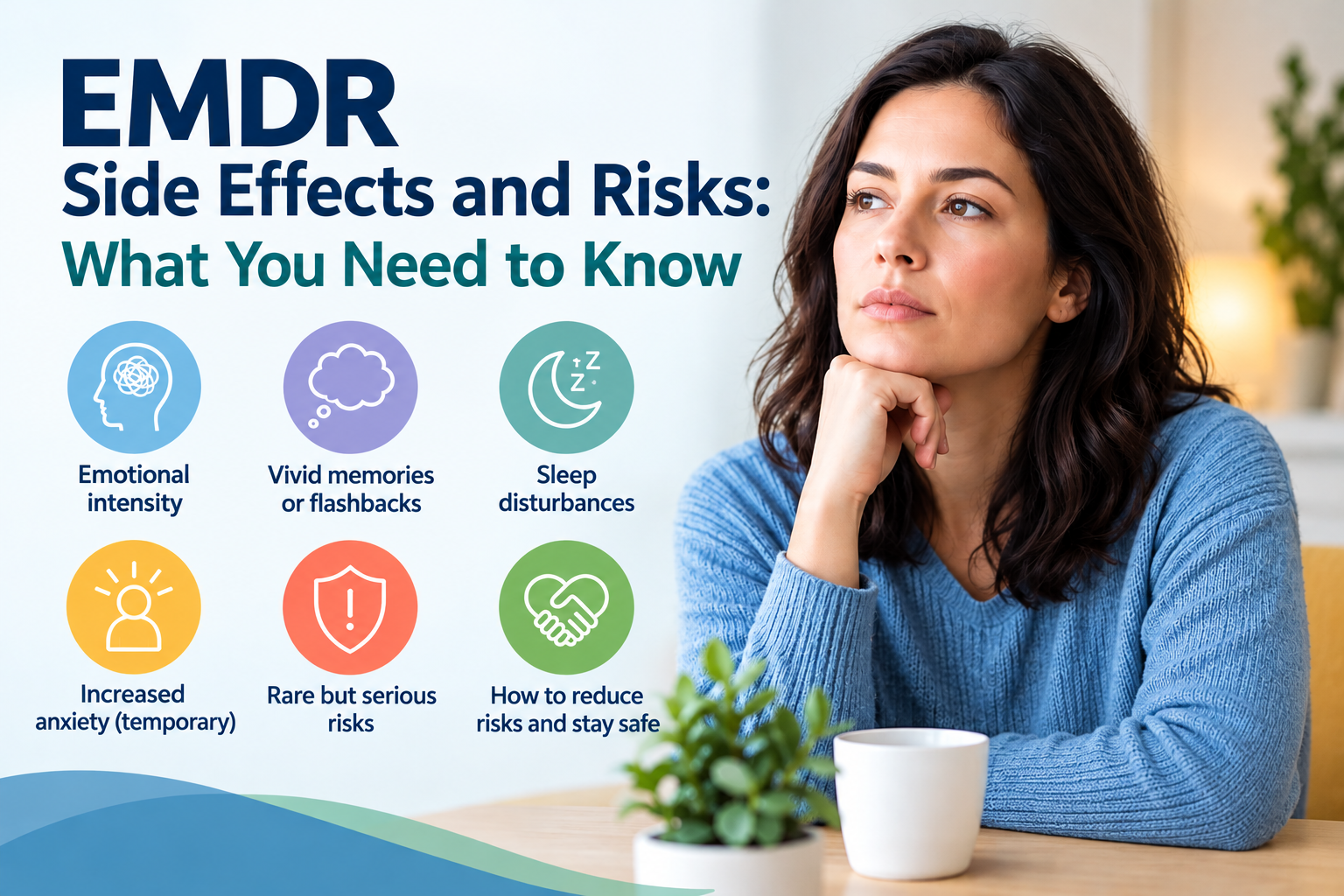
Eye Movement Desensitization and Reprocessing (EMDR) is a structured form of psychotherapy that can help people process distressing or traumatic experiences. It was originally developed to treat trauma and is now used to support people experiencing conditions such as post-traumatic stress disorder (PTSD), anxiety, and other difficulties associated with distressing memories.
EMDR is a structured, evidence-based psychotherapy developed by psychologist Francine Shapiro in the late 1980s, originally to treat PTSD. Unlike traditional talk therapy, EMDR asks the client to briefly focus on a distressing memory while simultaneously experiencing a form of bilateral stimulation, most often guided eye movements. This process appears to help the brain “reprocess” memories that have become stuck or maladaptively stored, reducing the emotional charge attached to them without requiring the client to describe the traumatic event in exhaustive detail.
EMDR is recommended by numerous government and medical bodies for the treatment of PTSD and has expanded in use to address other conditions related to distressing life experiences, including anxiety, grief, and chronic pain related to past trauma. At Inner Peace Therapies, EMDR trained clinicians offer this approach as part of a broader, individualized trauma treatment plan alongside modalities like Internal Family Systems (IFS) and Cognitive Behavioral Therapy (CBT). This specialty is closely tied to our Trauma specialty and our Individual Counseling service.
What is Life Transitions and Adjustment?
Life transitions and adjustment refer to the emotional and psychological process of adapting to significant changes or new circumstances in life. These changes can be positive or challenging and may include starting a new job, moving to a new place, getting married, becoming a parent, ending a relationship, retirement, bereavement, or experiencing changes in health or personal circumstances.
Change, even good change, is destabilizing. A new job, a move, a divorce, a graduation, an empty nest, a diagnosis, a new baby: all of these can throw off the internal balance we rely on to feel like ourselves. Life Transitions and Adjustment counseling at Inner Peace Therapies is designed for exactly this kind of disruption, moments when life circumstances shift faster than our coping tools can keep up.
Our therapists help clients process the emotions that come with change (grief, anxiety, identity confusion, overwhelm), build new routines and coping strategies suited to their new reality, and reconnect with a sense of stability and direction. This specialty overlaps closely with Individual Counseling and Grief Counseling, since major life transitions often carry an element of loss even when the change itself is positive.
What is Muslim Counseling?
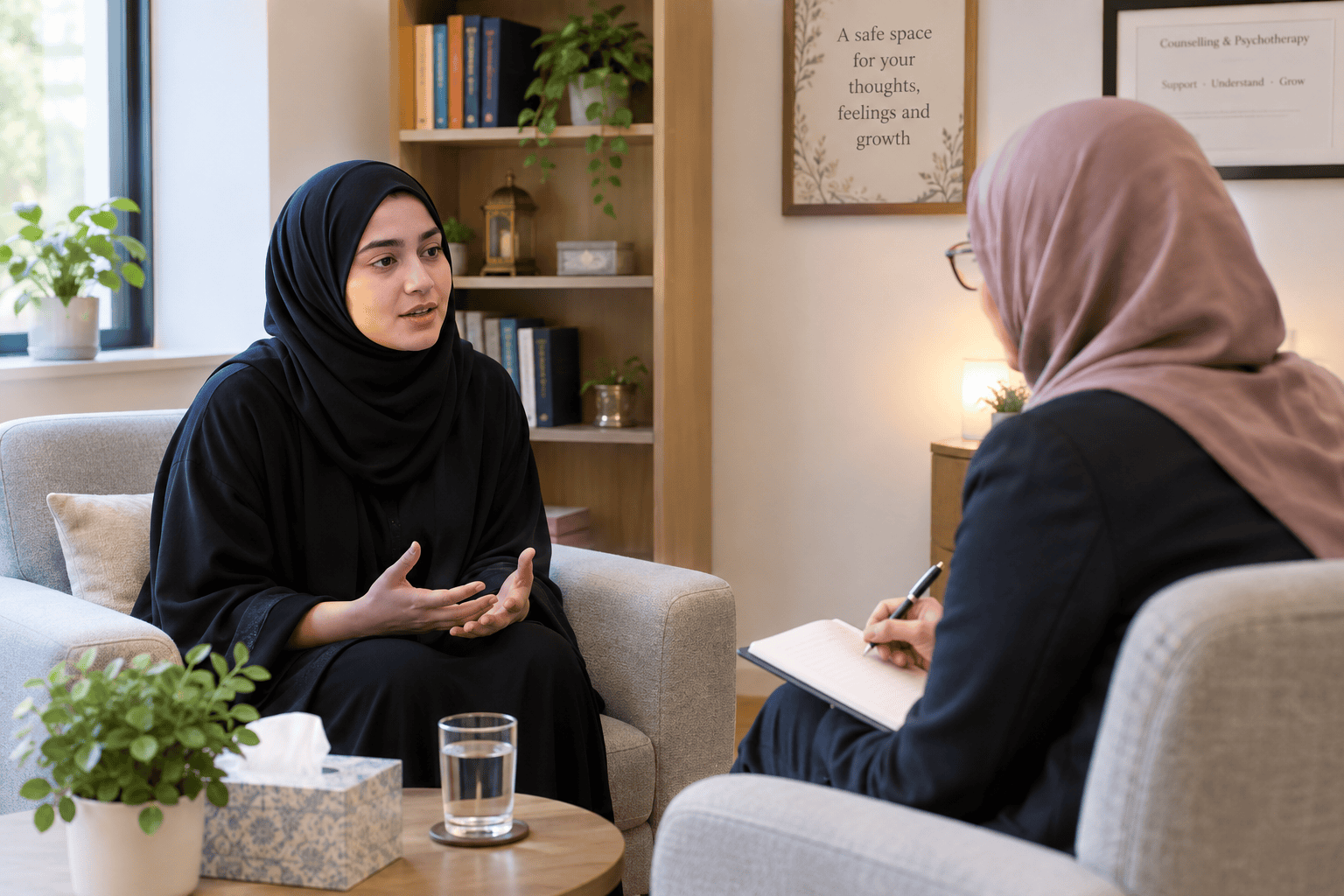
Muslim counselling is a form of therapeutic support that takes into account a person’s faith, cultural values, beliefs, and lived experiences as a Muslim. It can be particularly helpful for individuals who want their religious values and spirituality to be respectfully considered alongside evidence-based psychological approaches.
A Muslim counsellor provides a safe, confidential, and non-judgmental space to explore concerns such as anxiety, depression, grief, relationships, family difficulties, identity, stress, or life transitions. Depending on the individual’s preferences, counselling may incorporate Islamic principles, spiritual reflection, and values alongside established therapeutic approaches.
Muslim counselling does not mean that every concern is treated as a religious issue. Instead, the approach aims to support the whole person, recognising that faith and mental wellbeing can be closely connected for some individuals.
Muslim Counseling is one of the specialties that most distinctly defines Inner Peace Therapies among counseling services in Lombard. We understand that many Muslim clients are looking for a counselor who understands their faith and culture, someone with whom they can feel safe and genuinely understood, without having to first explain or defend their worldview.
Muslim families experience the same stressors as any other family: individual struggles, adolescent conflict, marital tension, financial pressure, but can be understandably reluctant to seek help without knowing whether a therapist will truly understand them. At Inner Peace Therapies, we provide culturally sensitive counseling using empirically researched therapeutic methods, keeping clients’ values and religious beliefs at the center of care.
We also provide Muslim marriage counseling, addressing the reality that divorce rates among Muslims in North America have been rising. We help couples recognize the negative patterns driving distress and disconnection, and rebuild a relationship where each partner can turn to the other, working through challenges including in-law conflict, financial disagreements, addiction, infidelity, communication breakdowns, and disputes over roles and responsibilities. This specialty connects naturally with our Couples Counseling and Premarital Counseling services.
What is Grief Counseling?
Grief counselling is a form of emotional support that helps people cope with the loss of someone or something important to them. Grief can affect everyone differently and may involve feelings such as sadness, anger, guilt, loneliness, confusion, or even relief.
A grief counsellor provides a safe, supportive, and non-judgmental space to explore these emotions, process the experience of loss, and develop healthy ways of coping. Counselling can also help people adjust to changes in their lives and find ways to move forward while continuing to honour the person or relationship they have lost.
Grief is not linear, and it does not look the same for any two people. Grief Counseling at Inner Peace Therapies acknowledges and respects the unique path each individual takes when coping with the emotional, physical, and psychological effects of losing a loved one.
We provide a safe, supportive environment to talk about your loss, share memories, and process the full range of emotions that accompany grief, developing healthy coping mechanisms suited to you specifically, whether that is mindfulness, journaling, or other comforting practices. Grief counseling is about helping you move forward while honoring your loved one’s memory, often by strengthening your support network and, over time, finding renewed meaning and purpose after loss. If you are navigating this right now, our blog post on what to say when someone has passed away may also be a helpful, practical resource.
What is Perinatal Mood and Anxiety Disorder (PMAD) ?
Perinatal Mood and Anxiety Disorders (PMADs) are a group of mental health conditions that can occur during pregnancy or after childbirth. They can affect a person’s emotional wellbeing, thoughts, behaviour, and ability to cope with everyday life.
PMADs can include perinatal depression, anxiety, panic disorder, obsessive-compulsive disorder (OCD), and post-traumatic stress disorder (PTSD). Symptoms may include persistent sadness or worry, irritability, feeling overwhelmed, difficulty sleeping even when the baby is sleeping, loss of interest in activities, intrusive or frightening thoughts, or feeling disconnected from the baby.
Becoming a parent is one of life’s biggest transformations, and no one fully prepares you for how hard it can be. PMAD (Perinatal Mood and Anxiety Disorder) is a specialty focused on supporting parents experiencing depression or anxiety during or after pregnancy.
A few facts every parent deserves to know:
- 1 in 5 mothers and 1 in 10 fathers experience postpartum depression.
- PMAD is different from the “baby blues,” which typically resolve within two weeks; PMAD symptoms can last for months if untreated.
- PMAD is temporary and treatable with professional help, and it can happen even to parents who did not experience it with a previous child.
Symptoms can include depressed mood, anger and irritability, changes in sleep or appetite, lack of interest in the baby, feelings of guilt or hopelessness, frequent crying, excessive worry, intrusive thoughts, panic attacks, and fear of leaving the house or leaving the baby in someone else’s care.
Causes likely include rapid post-delivery hormonal shifts, sleep deprivation, relationship or family conflict, an unstable living environment, single parenthood, breastfeeding difficulties, birth trauma, and lack of support, with risk further elevated for those with a personal or family history of depression or anxiety.
At Inner Peace Therapies, treatment may include psychoeducation, compassion-focused therapy, trauma work, structured self-care routines, and healthy coping strategies, often involving partners or other caregivers in the process. As we tell every parent who reaches out: you are not alone, and you are not at fault. It takes a village to raise a child, and parents need a village too.
A Real-World Example: How Therapy Helps
Sometimes the clearest way to understand what therapy actually looks like is through a real example. The case below is shared to illustrate our approach in practice. Client names and other identifying personal details have been omitted or changed throughout to protect client privacy and confidentiality.
Background: A couple in their mid-thirties came to Inner Peace Therapies after several years of what they described as “the same fight, over and over.” One partner tended to raise concerns directly and press for a conversation right away; the other tended to go quiet and withdraw when things felt tense. Over time, this pattern had left both partners feeling lonely inside their own relationship, even though neither one wanted anything other than to feel close again.
Approach: Working within an Emotionally Focused Therapy (EFT) framework, their therapist helped the couple slow down the argument enough to see the cycle itself: pursue, then withdraw, then more pursuit, then more withdrawal. Rather than debating whose fault the latest disagreement was, sessions focused on the softer, more vulnerable feelings sitting underneath each partner’s reaction, the fear of being unimportant, and the fear of never being able to get it right.
Outcome: Over the course of several months, the couple learned to recognize the cycle in real time and to interrupt it before it escalated. The partner who used to withdraw learned to say, “I need a minute, but I am not leaving,” instead of going silent. The partner who used to pursue learned to ask for reassurance directly instead of raising their voice. By the end of treatment, both partners reported feeling more emotionally safe with each other, and more confident in their ability to handle future conflict without it turning into a rupture.
This kind of shift, from a stuck, painful cycle to a felt sense of safety and connection, is at the heart of what we aim for in Couples Counseling and Emotionally Focused Therapy (EFT) at Inner Peace Therapies. Every couple’s story looks different, but the goal is always the same: helping you and your partner turn toward each other again.
Meet Our Therapy Team
Every therapist at Inner Peace Therapies brings their own training, life experience, and clinical lens, but all of us share the same commitment to warm, collaborative, evidence-based care. Below is a brief introduction to each member of our team, with a link to their full profile and contact details for the practice.
Madiha Haroon, LMFT, LCPC, CADC, Founder

Madiha Haroon is the founder of Inner Peace Therapies, holding a Master of Science in Marriage and Family Therapy from Northern Illinois University and over 25 years of clinical experience. She is a Licensed Marriage and Family Therapist (LMFT), Licensed Clinical Professional Counselor (LCPC), and Certified Alcohol and Drug Counselor (CADC). Madiha is a Certified Emotionally Focused Therapist (Individual, Couple, and Family), an EFT Supervisor in Training, and Level II EMDR trained, with additional intensive training in Internal Family Systems (IFS), CBT, Mindfulness, Exposure Response Prevention (ERP), and Attachment theory. She specializes in couples, families, and individuals, with particular expertise in Couples Counseling, EFT, and Muslim Counseling. She is fluent in English and Urdu.
Faida Sahouri, LPC, Counselor
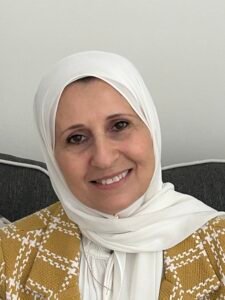
Faida Sahouri holds a Master’s in Counseling from Argosy University Chicago and has 6 years of experience as a Licensed Professional Counselor. She is trained in Emotionally Focused Individual Therapy (EFIT), Emotionally Focused Couples Therapy (EFCT), Mindfulness, CBT, and DBT. Faida works with adults and couples, with specialties including anxiety, depression, self-esteem, bipolar disorder, divorce, domestic abuse and violence, grief, infidelity, women’s issues, relationship issues, racial identity, family relations, parenting, spirituality, stress, and anger management. She speaks English and Arabic fluently.
Asma Farooq Shaikh, LPC, Counselor

Asma Farooq Shaikh holds a Bachelor’s in Biology from Benedictine University and a Master of Science in Counseling from National Louis University. She is a Licensed Professional Counselor with experience in PHP and IOP Behavioral Health Programs, working with clients on depression and anxiety through ACT, CBT, DBT, and Strength & Solution-Focused Interventions. Asma has over 20 years of community-based experience working with adolescents, women, couples, and families, with a particular focus on life transitions, grief, loss, trauma, and relationship repair.
Naaz Raza, ALMFT, Counselor

Naaz Raza is an Associate Licensed Marriage and Family Therapist (ALMFT) with a Bachelor of Science in Psychology from Loyola University Chicago and a Master of Arts in Marriage and Family Therapy from National University. With 3 years of experience in individual, family, and group therapy, Naaz’s areas of expertise include anxiety management, grief, depression, ADHD therapy, couples therapy, anger management, life transitions, and phobias, using Collaborative Therapy, CBT, Solution-Focused Therapy, and Emotion-Focused Therapy.
Farzana Patel, MFT Intern

Farzana Patel is currently pursuing her Master’s in Marriage and Family Therapy at Adler University, holding a Bachelor of Science in Psychology from the University of Wisconsin-Parkside with certificates in Neuroscience and Mental Health. She is a member of the American Association for Marriage and Family Therapy (AAMFT) and the Association of Couple and Family Therapy (ACFT). Farzana works with individuals, couples, and families across all life stages, with clinical interests in anxiety, depression, life adjustment, intergenerational challenges, parenthood transitions, perinatal mental health, and the impact of eating disorders. She is fluent in English and Urdu/Hindi.
In-Person or Online: How Sessions Work
Inner Peace Therapies offers both in-person appointments at our Lombard office and online (telehealth) sessions, so you can choose whichever format fits your schedule, comfort level, and life circumstances. As a counseling service serving Lombard and clients across Illinois, we know that asking for help can already feel difficult, especially with the stigma that still surrounds mental health and addiction treatment, so we have tried to remove as many practical barriers as possible. Whether you are managing a packed work schedule, caring for young children, or simply feel more comfortable starting from home, our goal is to make sure you can count on Inner Peace Therapies to have the right counselor for you, wherever in Illinois you call home.
Get in Touch With Our Team
You can reach any member of the Inner Peace Therapies team, or ask which clinician might be the best fit for you, through our central contact information:
- Phone: (630) 747-3730
- Email: info@innerpeacetherapies.com
- Office: 2 E 22nd Street, Suite 205, Lombard, IL 60148, United States
- Client Portal: Log in here
Frequently Asked Questions
What services does Inner Peace Therapies offer? Inner Peace Therapies offers Individual Counseling, Adolescent & Young Adult Counseling, Couples Counseling, Premarital Counseling, Family Counseling, and Group Counseling, delivered both in-person in Lombard, IL and online to clients across Illinois.
Is Inner Peace Therapies a counseling service in Lombard, or do you see clients from elsewhere in Illinois? Our office is based in Lombard, IL, and most of our in-person clients come from Lombard and the surrounding DuPage County communities. Through online telehealth sessions, we are also able to see clients located across Illinois.
Does Inner Peace Therapies offer Muslim or faith-informed counseling? Yes. Our Muslim Counseling specialty provides culturally sensitive, faith-informed therapy for individuals, couples, and families, using empirically researched methods that respect clients’ religious values and goals.
What is EFT, and does Inner Peace Therapies use it? Emotionally Focused Therapy (EFT) is an attachment-based approach to individual, couples, and family therapy. Several of our clinicians are EFT-trained, including for individuals (EFIT) and couples (EFCT).
Does Inner Peace Therapies treat trauma and offer EMDR? Yes. We provide trauma-informed care for adult, childhood, and relationship trauma, and offer EMDR as part of an individualized treatment plan for clients processing traumatic experiences and PTSD.
Can Inner Peace Therapies help with postpartum depression or anxiety? Yes. Our PMAD (Perinatal Mood and Anxiety Disorder) specialty supports parents experiencing depression or anxiety during or after pregnancy, through individual and couples therapy.
Where is Inner Peace Therapies located, and do you offer online sessions? Our office is at 2 E 22nd Street, Suite 205, Lombard, IL 60148. We offer both in-person appointments in Lombard and online telehealth sessions for clients throughout Illinois.
How do I schedule an appointment? Call (630) 747-3730, email info@innerpeacetherapies.com, or visit our Contact page to request an individual, couples, adolescent, or family therapy consultation.
How to Get Started
If you have read this far, some part of you is already considering reaching out, and that instinct is worth trusting. You do not have to have the “right” problem or wait until things feel unbearable to start therapy. Whether you are navigating anxiety or depression, working through a difficult life transition, trying to reconnect with your partner through couples counseling, supporting a struggling teen, or looking for a therapist in Lombard who understands your faith through Muslim counseling, our team is ready to meet you where you are, whether you are in Lombard or elsewhere across Illinois.